Choosing a Pilates class is easier when you know what each format involves and what you want from your practice. Mat sessions use body weight and small props, while reformer classes add resistance from a specialized machine. Classes also vary by pace, experience level, and focus. Before booking, check the description and ask a few practical questions about equipment, instructor support, and modifications. The right fit should feel challenging without leaving you unsure how to participate.
Compare Mat and Reformer
Mat Pilates takes place on the floor and uses body weight, with props such as bands or small balls sometimes added. It can be a straightforward way to learn core movements and practice coordination. Because there is no machine to adjust, you can focus on how your body moves. Ask whether the class provides mats and props, or whether you should bring your own.
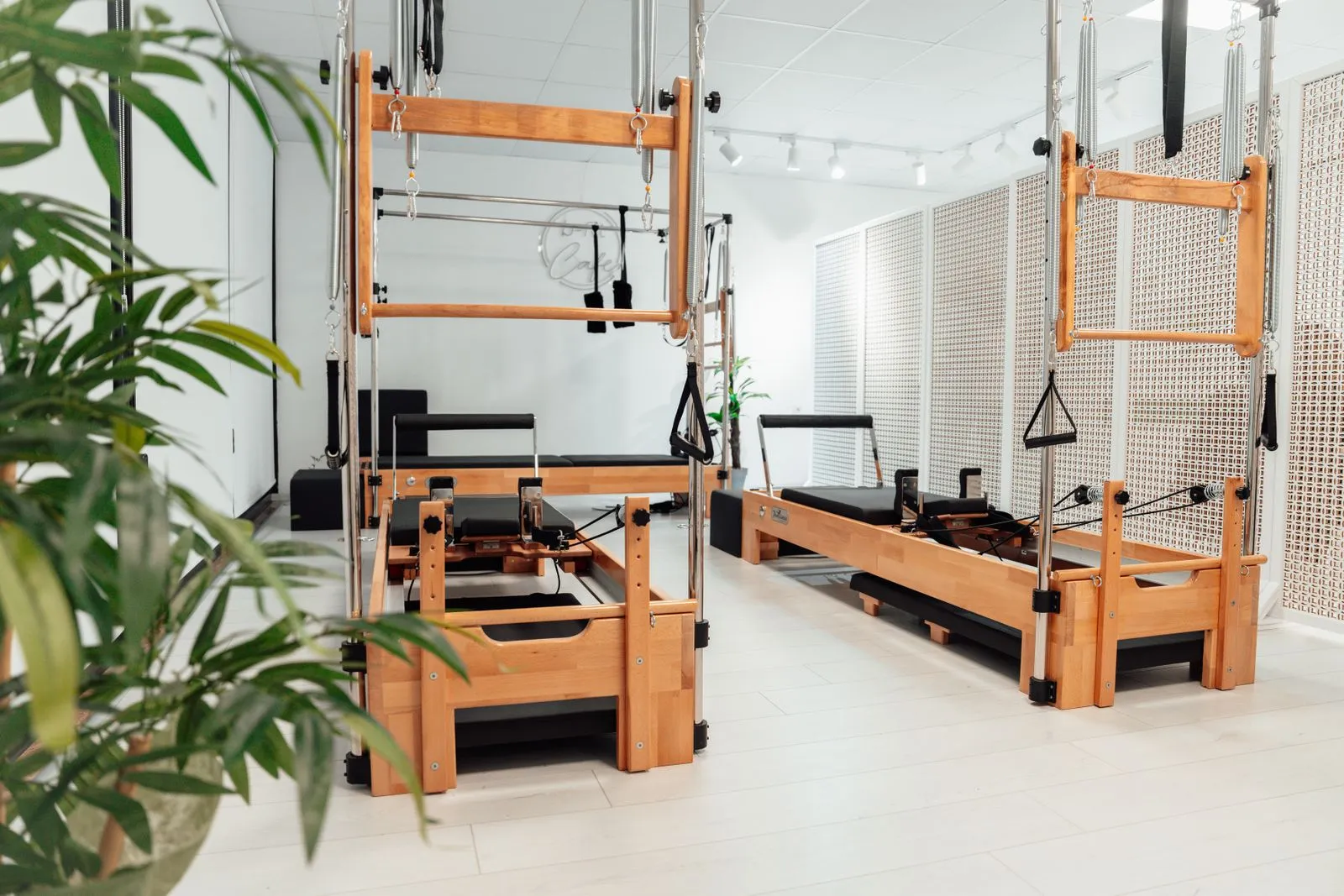
Reformer Pilates uses a sliding carriage, springs, and straps to provide resistance. The instructor can adjust the setup for different exercises, but you will need guidance on using the equipment safely. If you are new, look for a beginner-friendly session that includes an introduction to the machine. Ask how many participants share equipment and whether the instructor can help with setup.
Match the Class to Your Experience
A beginner or foundations class usually moves at a more measured pace and introduces basic positions, breathing, and equipment. It can suit first-time participants and people returning after a break. An all-levels class may offer options, but the pace and familiarity expected can vary. Read the class description closely and ask what experience the instructor recommends.
Intermediate and advanced sessions may include more complex sequences, quicker transitions, or greater demands on strength and balance. A challenging label does not tell you exactly what to expect, so ask about the movements and pace. If you have practiced before but feel unsure, share your experience with the studio and ask which class offers an appropriate next step.
Consider Focus and Teaching Style
Some classes emphasize strength, mobility, posture, or a particular part of the body. Others follow a more general sequence. Choose a focus that supports your aims, but check whether the class description matches what you want: a mobility-focused session, for example, may feel different from a strength-oriented workout. If you have a specific goal, ask the instructor how the session is structured.
Teaching style matters too. Some instructors demonstrate each movement; others give verbal cues while participants keep moving. Class size can affect how much individual attention you receive. Ask how many people typically attend, whether the instructor offers form corrections, and how participants can request help. These details can make a new class feel easier to follow.
Ask Before You Book
Check what to wear, when to arrive, and whether you need grip socks or other supplies. Confirm the class length, cancellation rules, and whether late entry is allowed. For a reformer session, ask whether first-timers should arrive early for equipment instructions. Knowing these basics helps you prepare and lets the instructor begin with the group on time.
If you have an injury, ongoing pain, are pregnant, or have another health concern, contact the studio before class and ask whether the format is suitable. Tell the instructor privately about relevant limitations before starting. Ask what modifications are available and whether you should seek guidance from a qualified health professional first. You can pause or skip a movement that does not feel right.
Start by choosing a format and experience level that match your needs, then confirm the class focus, equipment, and instructor support. A short conversation with the studio can clear up uncertainties before you book. If you are exploring options in Toronto, contact Toronto Pilates Studio to ask which session may suit your experience and goals.